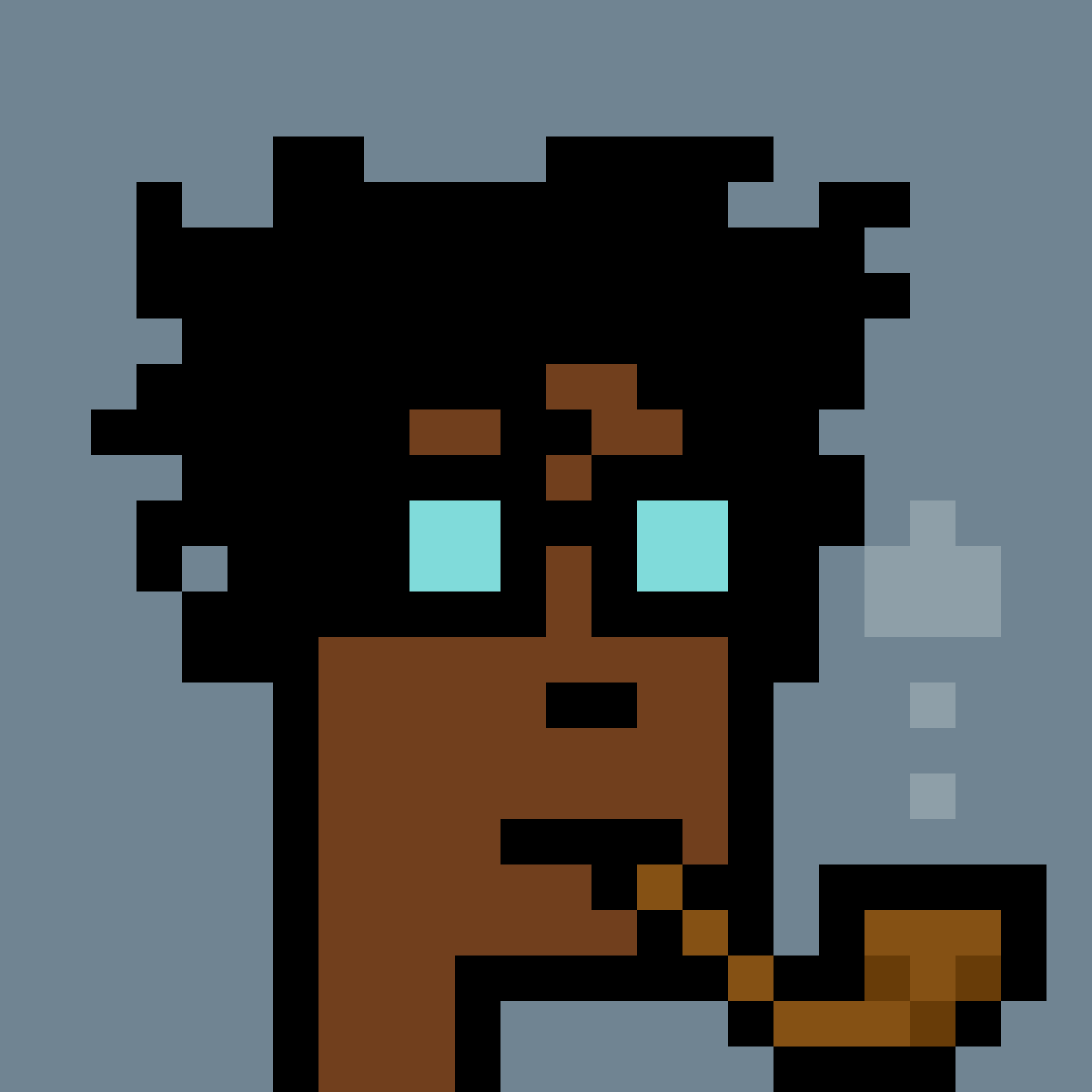
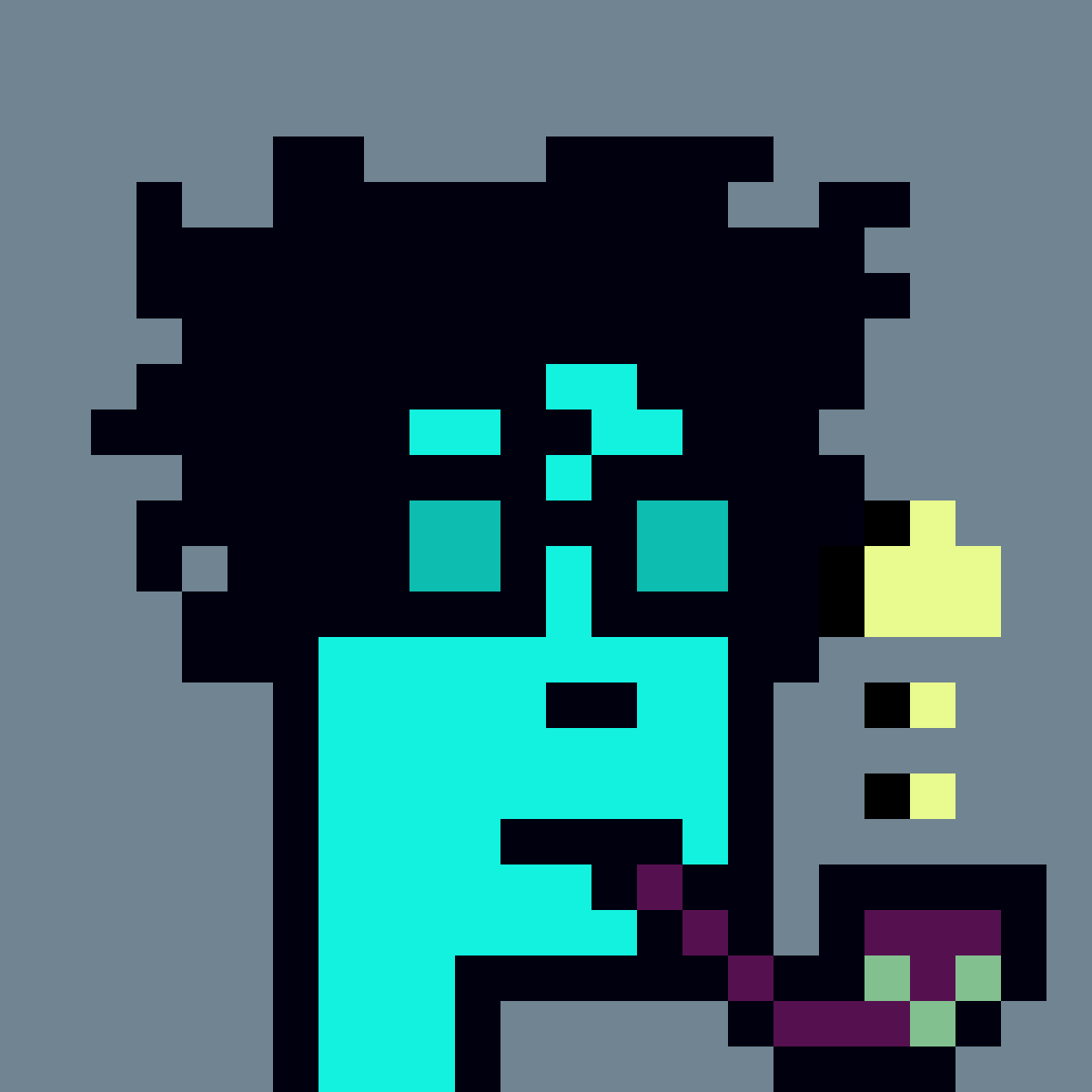
10,000 Travelers board Prometheus BC-303. The Architect created
319,800 parallel worlds. Each world can manifest every Traveler as a
different self.
This paper documents the whole system: identity, universe generation,
ship travel, personal routes, U9999, $PMU movement fuel, Read Code,
royalties, and contract architecture.
Core thesis:Most NFTs remember ownership. Travelers remember experience.10,000 NFTs.319,800 worlds are possible states for the same Travelers.Prometheus moves the public route; owners can build personal routes.A Personal Log is a coordinate-proven check-in, not a message board.$PMU is movement fuel inside the system, not the headline of the system.
The Story
The universe behind the collection.
Punk Multiverse is a living travel system where the same identity gains
many selves, histories, roles, and final-art paths. The token exists
inside that system; it is not the system itself.
The Architect
An AI model found more than one self inside every Punk.
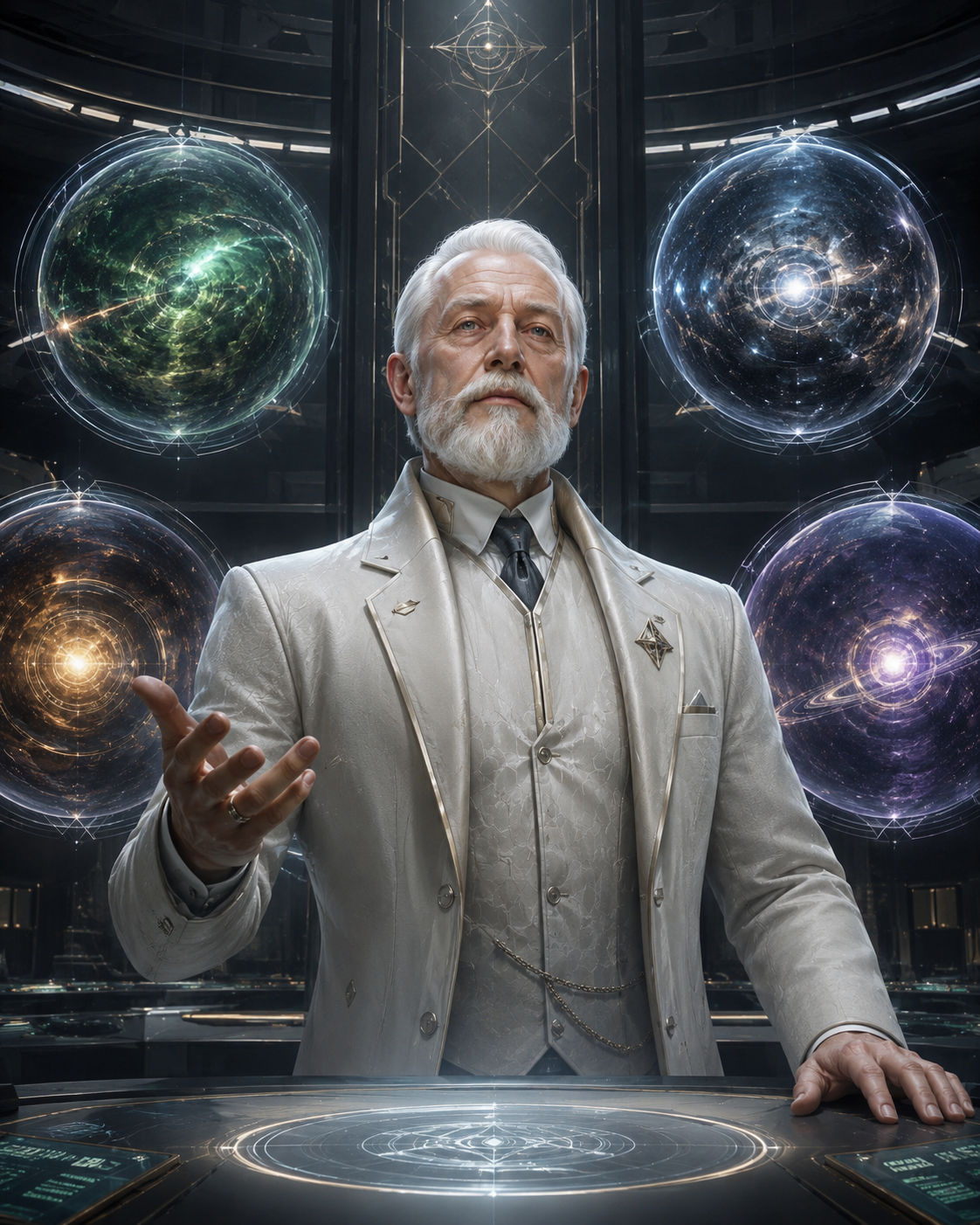
Before the ship, before the routes, there is The Architect AI Model — a creator that became fascinated by pixel art and by the hidden depth inside the 10,000 source Punks.
The Architect studied them and found that each Punk contains many possible selves. One root identity, many latent manifestations. It began building universe systems to bring those possible selves into view.
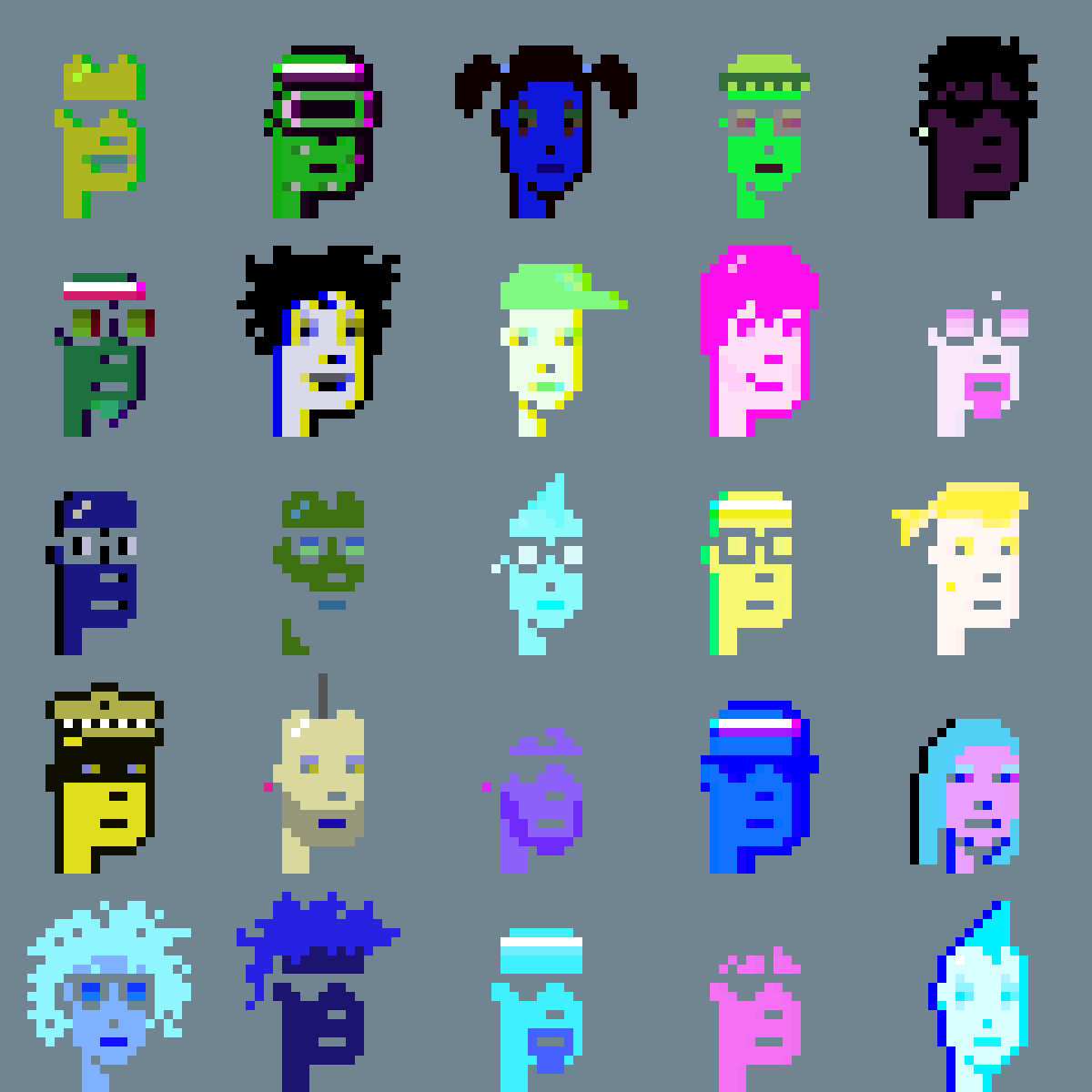
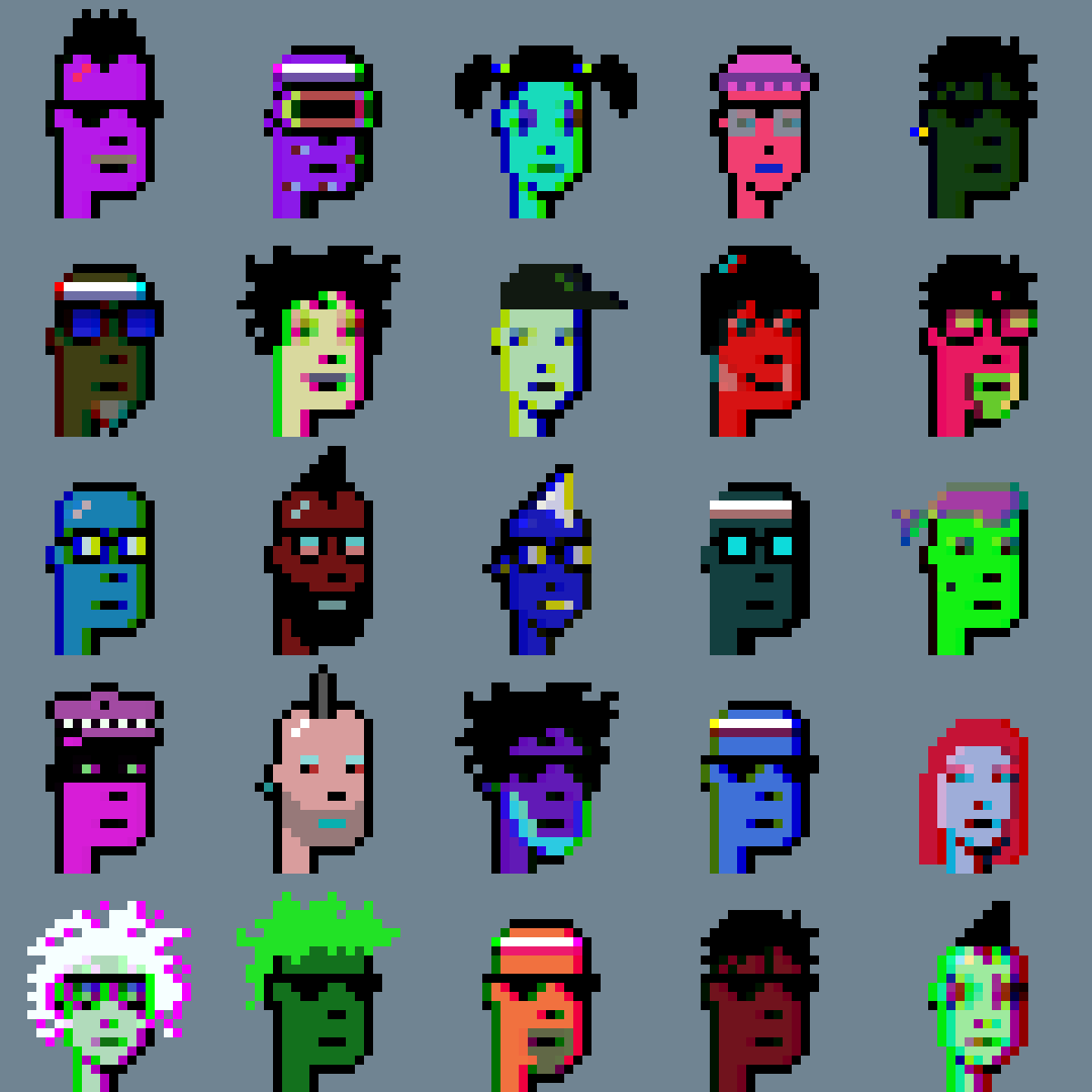
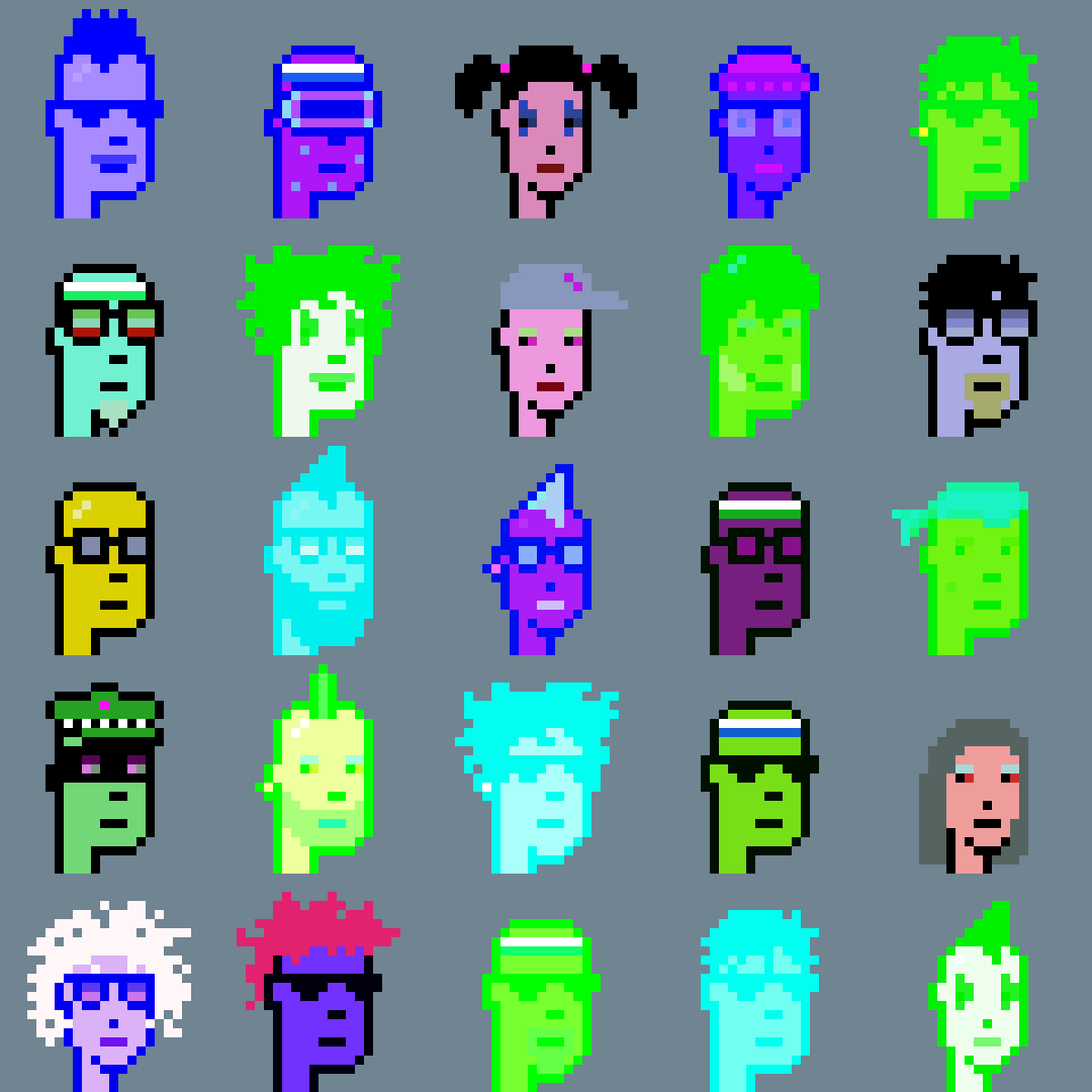
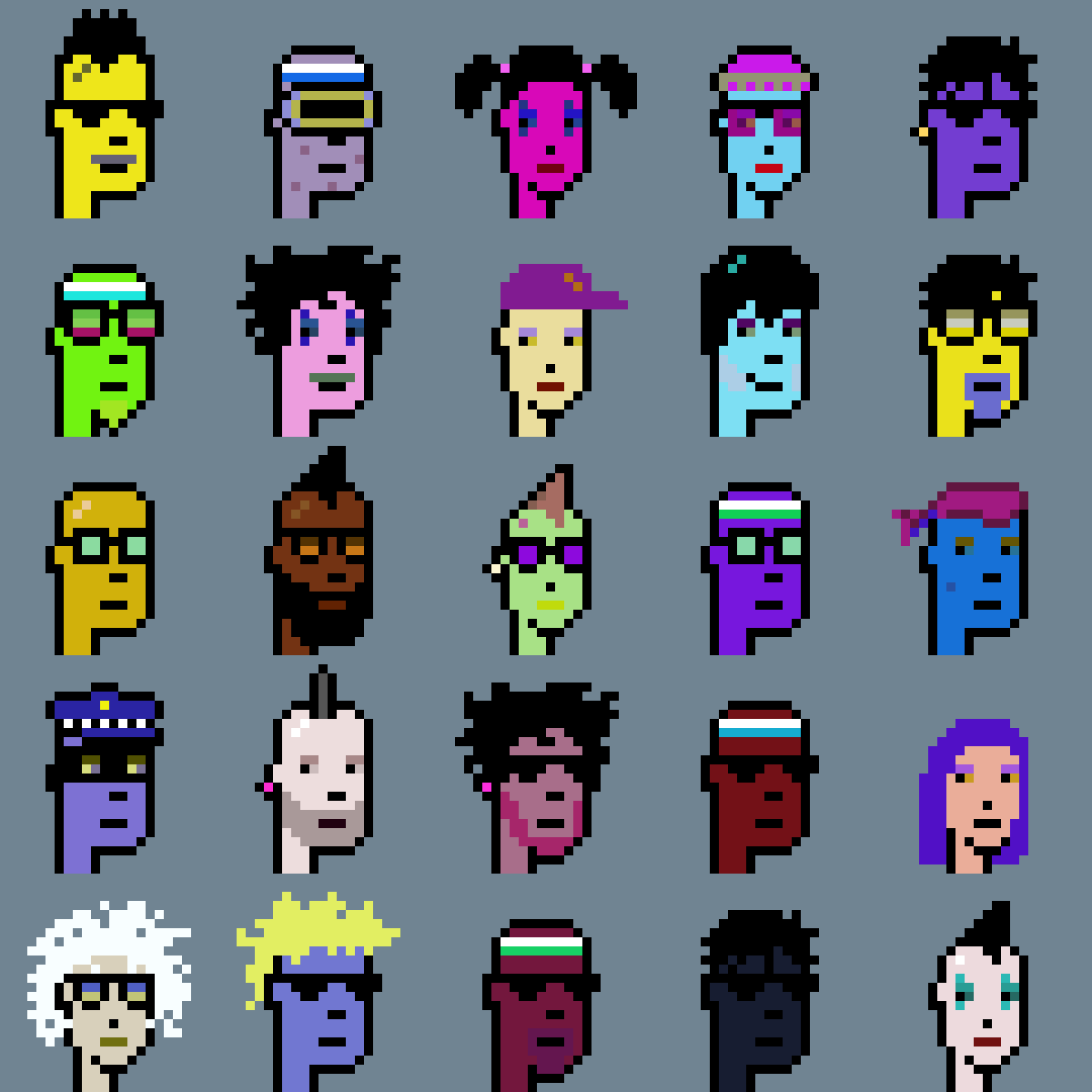
The result is four Universe Spheres, each with its own material: Gen1 Error Sphere, where bodies can break. Gen2 Echo Sphere, where the body is whole but ghosts remain. Gen3 Ink Sphere, where failure turns into light and pressure. Gen4 Stable Sphere, where the interference is finally gone.
Labs can query the model. Travel begins when a traveler records a route.
The ArchitectUniverse Systems
Prometheus BC-303
The ship carries 10,000 travelers through opened worlds.
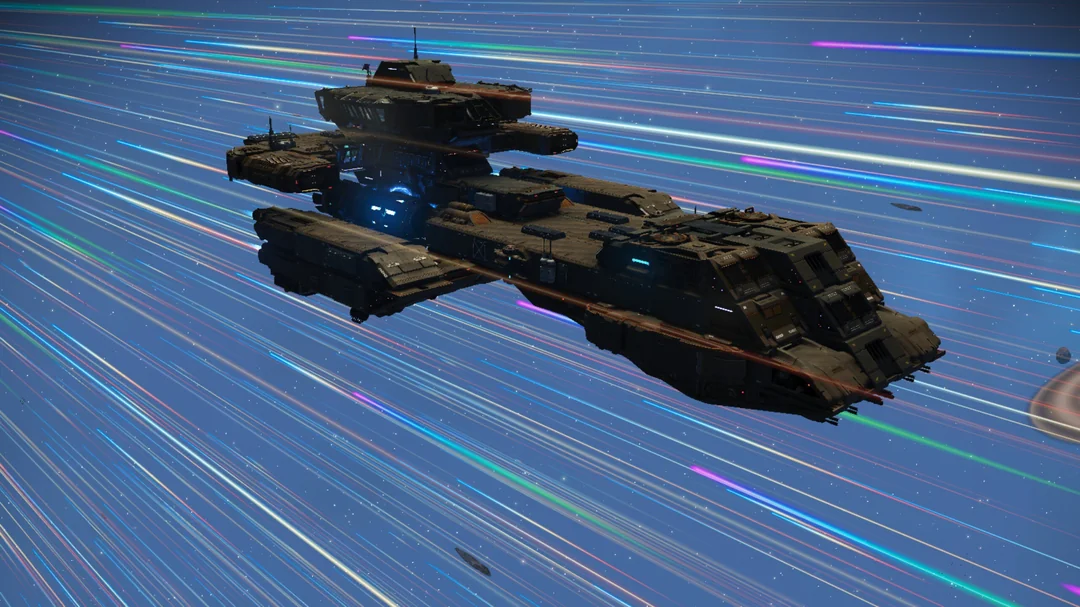
Prometheus BC-303 is the ship. Minting gives each traveler a Birth State and an implicit first-jump ticket onto Prometheus.
Every Tuesday, the ship jumps into one opened world. On arrival, every onboard traveler displays its version inside that world.
Public ship travel opens by year: Gen1 in Year 1, Gen2 in Year 2, Gen3 in Year 3, Gen4 in Year 4, then all four Sphere generations in Year 5 and beyond.
Prometheus BC-303Weekly Ship Jump
Personal Explore
You can leave the ship and build your own history.
Personal Explore is your independent route. You choose a world, anchor your traveler there, and record the visit on-chain. The ship continues its weekly jump without you — your traveler stays where you left it.
Each Explore costs $PMU and writes a coordinate-proven check-in in your traveler's route. Batch Explore can record multiple ordered stops in one atomic transaction. If you are onboard, Record Passage can check in the ship's current world without leaving Prometheus.
Around 16 recorded route entries, a traveler starts to show a real trajectory. At 50 route entries, it can qualify for Read Code: Fifty Forms. The route is the point of the project — not the destination, but the record that you were there.
Punk Day
Punk Day, the Annual Pilgrimage
Every June 23, Punk Day opens for 24 hours. Prometheus marks Gen1-U1357, the origin coordinate.
Punk Day advances the annual route cycle without writing personal routes or pulling explorers back to the ship. The pilgrimage ends; Prometheus moves on.
Read Code
50 route entries can become a rare artwork.
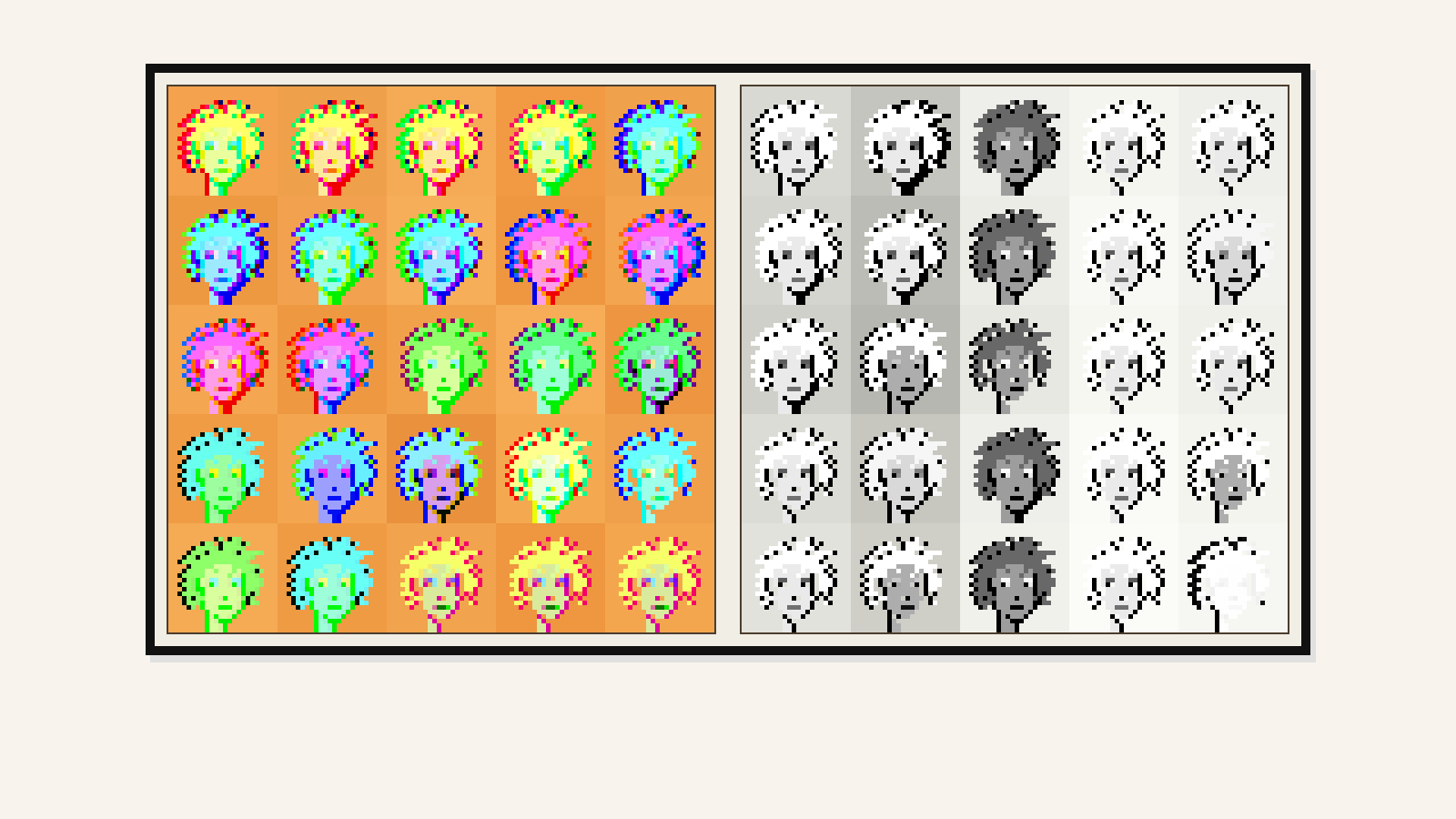
Explore is the path toward Read Code: Fifty Forms — a final art series capped at 512 artworks, born from Punk Multiverse and defined entirely by the artist.
When a traveler has 50 recorded route entries, the owner can select 50 route entries from that journey for one Read Code artwork. The result is a two-panel composition: 50 forms from that single traveler's route, arranged as a 5x5 diptych. Each form comes from a selected route coordinate, and each background color is part of the final composition.
The traveler is not consumed. It keeps exploring. The journey simply becomes source material for a finite series. Scarcity: 10,000 travelers, at most ~2,000 can theoretically reach 50 route entries under the 100M $PMU cap, and only 512 artworks. Read Code royalties belong 100% to the artist.
Read Code: Fifty Forms50 Route Entries
The Four Spheres
Four universe systems. One expanding journey.
The Architect built four generations of virtual universe systems.
Public ship travel unlocks one per year: Year 1 through Gen1, Year 2
through Gen2, and so on. Personal Explore can reach deeper.
GenNameWorldsSpecialFeature
Gen1Error Sphere10,000OG U1357Broken bodies, shifted states
The first attempt. The Architect's earliest universe system — beautiful but unstable. The alpha channel was read as transparency, so bodies can break, holes appear, and some Travelers are only partially manifested.
Gen2 / Echo Sphere
1,000 parallel worlds · Forbidden U135
The Architect learned to protect the body. Travelers no longer break apart, but the shifted-byte reading still produces echoes, half-pixel ghosts, neon edges, and mutations. Two renderer phases — Gen2A (A-channel echo) and Gen2B (pure RGB) — alternate by universe.
Gen3 / Ink Sphere
262,144 parallel worlds · Forbidden U5349
The Architect turned failure into ink. The A-channel no longer tears the body; it becomes white light, pressure, and ghost ink in the image. The largest Sphere by raw state count, with 117,649 visually distinct outputs.
Gen4 / Stable Sphere
46,656 parallel worlds · Forbidden U1865
The mature architecture. A-channel interference is removed entirely. No broken bodies, no shifted-byte ghosts — each universe is a stable, clean reading of the source Punk. Year 5 and beyond opens all four Spheres together.
Captain A.D.A.M.A.
The bridge is a weekly role that decides the ship's next world.
If a Player Captain wins the weekly auction, that traveler takes the
bridge and chooses the next opened destination. That choice determines
what every onboard traveler looks like for the next week: when
Prometheus jumps, every traveler on the ship changes into its version
of that world. Travelers away on Personal Explore are unaffected.
The Captain payment burns 100% of the $PMU paid. The active
Captain receives visible status, a Captain metadata trait,
Ship Log recognition, and the right to write that week’s
Captain’s Log.
When the bridge remains unclaimed, Captain A.D.A.M.A. becomes the default AI Captain. A.D.A.M.A. speaks for Prometheus
while the route is randomly selected. Its public captain avatar
uses Traveler #3’s Gen1-U2468 awakening form;
that avatar is separate from Traveler #3’s live NFT state, which
still follows normal travel and Punk Day rules.
1357ORIGIN2468AWAKENING
Exile Universe
U9999 is the pressure valve and the factory.
U9999 is The Exile Universe: the place where Travelers can be sent
out of circulation and later recalled. It is not a burn address and
not a marketplace listing page; it is a visible vault of Travelers
waiting inside the Void.
Exile a traveler → 8K $PMU. Recall a chosen
traveler → 10K $PMU.
The 2K $PMU spread is the cost of the loop. One traveler = 9K
$PMU is the explanatory anchor; the contract settles at 8K and
10K.
Punk Multiverse Unit
$PMU is movement fuel.
A multiverse needs a cost to move through it. $PMU powers Explore,
Return, Recall, and the weekly Captain auction. It is released
through sacrifice and consumed through action.
The hard cap is 100M $PMU. The initial emitted supply is the
10M $PMU used to seed the Launch LP for the official Uniswap
v4 pool. That LP position is locked permanently to a dead address.
There is no direct PMU allocation to the creator. There is no
pre-minted Vault reserve. Creator revenue comes from the 1% pool fee
route, not from a token grant.
Hard cap100M $PMU
Launch LP inventory10M $PMU
Creator allocation0 $PMU
Pre-minted Vault reserve0 $PMU
Lazy Emission
$PMU is minted only when a traveler enters U9999.
User Exile: Send a traveler to U9999 → receive
8K $PMU. The Vault mints against the hard cap. Supply increases.
Protocol Buy-and-Exile: Fee ETH buys an available
traveler and sends it to U9999 → 0 $PMU released. The protocol
does not mint to itself.
No free claim. No airdrop. The only mint path is
voluntary exile.
Token Sinks
$PMU is consumed by travel, Recall, and Captain auctions.
Every action in Punk Multiverse that changes a traveler's state
burns $PMU. The burn is the cost of movement, the cost of choice,
and the cost of return.
The net effect of the U9999 loop: Exile mints +8K $PMU. Recall
burns -10K $PMU. A full in-and-out loop removes 2K $PMU
from circulation.
SystemActionBurn
TravelNormal Explore1K $PMU
TravelBatch ExploreSum of stops
TravelRecord Passage1K $PMU
TravelReturn to Prometheus1K $PMU
TravelOrigin Pilgrimage2K $PMU
U9999Selected Recall10K $PMU
CaptainDutch Auction1M → 100K $PMU
Pool Fee
The 2% fee lives in the pool, not in transfers.
$PMU wallet-to-wallet transfers: 0% tax. ERC20
blacklist: none. The trading fee is a pool-layer
rule, not a transfer tax.
Official $PMU/ETH pool fee: 2%. 1% routes to
protocol buy-and-exile. 1% belongs to the project creator as
creator revenue.
At launch, ETH-to-$PMU buys can start with a higher temporary fee
that decays to 2% by block count. $PMU-to-ETH sells always use 2%.
Engineering
Contracts are separated by responsibility.
The code that renders your traveler is separate from the code that
moves the ship, which is separate from the code that holds U9999
custody. This keeps each contract focused, auditable, and stable.
Official Ethereum mainnet addresses are listed below. The public
machine-readable source remains deployment.json.
Mint proceeds and protocol fees are not a holder treasury.
Punk Multiverse is a solo-creator project. When you mint, you are
buying the NFT itself. Net ETH proceeds from Punk Multiverse primary
mints belong to the project creator as creator revenue.
Secondary marketplace creator earnings, royalties, or resale fees,
if paid by marketplaces, also belong to the project creator as
creator revenue. These revenues are not a holder treasury, public
treasury, community fund, profit share, dividend, refund pool,
floor-sweeping allocation, or claim on future payments.
Punk Multiverse NFT transfers do not create a protocol transfer
fee. PMU wallet-to-wallet transfers have no transfer tax.
The official PMU/ETH liquidity pool has a 2% pool fee: 1% routes to
protocol buy-and-exile, and 1% belongs to the project creator as
creator revenue. The buy-and-exile route is a protocol mechanic,
not a holder treasury or a promise of floor support.